


Chronic Pain: Neurobiological, Psychological Aspects and Implications for Integrated Care: A Comprehensive Review
- Feb 16
- 20 min read

Article co-authored with @may.psychologist
Abstract
Chronic pain represents a complex clinical condition that transcends the simple physiological response to a harmful stimulus, configuring itself as a multidimensional experience characterized by biological, psychological, and social components. This article examines the neurobiological basis of pain chronicity, the mechanisms of central sensitization and neuroplasticity, as well as the psychological components that modulate the pain experience. Particular attention is paid to emotional dimensions (anger, fear, anxiety, and depression) and coping strategies that significantly influence patient adjustment. The article proposes a biopsychosocial model of intervention that integrates pharmacological, physiotherapy, and psychological approaches, emphasizing the transition from the healing to the care paradigm. Scientific evidence supports the need for a multidisciplinary approach that considers the patient as a whole, promoting self-management and resilience strategies.
Keywords: chronic pain, biopsychosocial model, central sensitization, neuroplasticity, psychological dimensions, coping strategies, multidisciplinary intervention
Introduction
Chronic pain is defined as pain that persists beyond the normal tissue healing time, typically beyond three months (Treede et al., 2019). Unlike acute pain, which plays a protective function by signaling tissue damage or a potential threat, chronic pain loses this adaptive value and is configured as a pathological condition in itself (Apkarian et al., 2011). The International Association for the Study of Pain (IASP) recently updated the definition of pain, describing it as "an unpleasant sensory and emotional experience associated with, or resembling that associated with, actual or potential tissue damage" (Raja et al., 2020, p. 1976).
The epidemiology of chronic pain highlights the extent of this condition: it is estimated that approximately 20% of the world's adult population suffers from chronic pain, with significant impacts on quality of life, work capacity and health systems (Goldberg & McGee, 2011; Breivik et al., 2006). In Italy, data indicate a prevalence of chronic pain between 21% and 26% of the adult population (Bonezzi et al., 2020). Despite its high prevalence, chronic pain often remains underdiagnosed and undertreated, with devastating consequences for patients and society.
This article aims to provide an integrated review of the scientific literature on chronic pain, analyzing the neurobiological basis of chronicity, the psychological mechanisms involved, and the implications for an integrated therapeutic approach. The goal is to provide mental health professionals and other clinicians with a deep understanding of the multidimensional nature of chronic pain, supporting the development of evidence-based interventions.
Neurobiological Basis of Pain: Of Nociception to Perception
The Nociceptive System and Pain Transmission
Nociception represents the neurophysiological process through which potentially harmful stimuli are detected, transduced, and transmitted to the central nervous system (Dubin & Patapoutian, 2010). Nociceptors, specialized free nerve endings, respond to mechanical, thermal, and chemical stimuli of potentially damaging intensity. The transmission of the nociceptive stimulus occurs through nerve fibers of different calibers: the Aδ fibers, myelinated and rapidly conducting, mediate acute and well-localized pain, while the C fibers, unmyelinated and slowly conducting, transmit dull and diffuse pain (Basbaum et al., 2009).
The nociceptive stimulus is then processed at the level of the spinal cord, where it interacts with second-order neurons in the dorsal horn. Important mechanisms of pain modulation operate here, including the gate control theory proposed by Melzack and Wall (1965), according to which nociceptive input can be modulated by non-nociceptive inputs and by descending influences from higher brain structures. This theory represented a turning point in the understanding of pain, highlighting how psychological and contextual factors can influence pain perception.
The Pain Matrix: Cerebral Processing of the Painful Experience
The experience of pain is not simply the sum of nociceptive inputs, but the result of complex processing involving multiple brain areas, collectively referred to as the "pain matrix" or pain matrix (Tracey & Mantyh, 2007). This neural network includes the primary and secondary somatosensory cortex (S1, S2), responsible for the localization and sensory discrimination of pain; the insular cortex, which integrates interoceptive information and contributes to subjective awareness of pain; the anterior cingulate cortex (ACC), crucial for the affective-motivational component of pain; and the thalamus, which serves as a relay station for sensory information (Apkarian et al., 2005).
Functional neuroimaging studies have shown that the activation of these regions varies not only as a function of the intensity of the nociceptive stimulus, but also in relation to cognitive factors such as attention, expectation and the meaning attributed to pain (Wager et al., 2004). This evidence supports the conception of pain as an experience constructed by the brain, rather than as a simple "reading" of peripheral signals.
Mechanisms of Chronicization: Sensitization and Neuroplasticity
Peripheral and Central Awareness
The transition from acute to chronic pain is mediated by sensitization processes that alter the responsiveness of the nociceptive system. Peripheral sensitization occurs when nociceptors become hyperexcitable following tissue damage or inflammation, lowering their activation threshold and increasing their response to stimuli (Woolf & Ma, 2007). This phenomenon explains primary hyperalgesia, or increased pain sensitivity in the injured area.
Of greater clinical relevance is central sensitization, a process by which central nervous system neurons exhibit increased excitability even in the absence of continuous peripheral nociceptive stimulation (Latremoliere & Woolf, 2009). Central sensitization is characterized by several phenomena: hyperalgesia, an increased response to painful stimuli; allodynia, in which normally non-painful stimuli are perceived as painful; and the expansion of receptive fields, resulting in pain spreading beyond the area initially involved (Nijs et al., 2015).
Crucial is to understand that in central sensitization, pain can persist even after the original tissue damage has healed. The nervous system has, in essence, "learned" pain, modifying its synaptic connections and chemistry to maintain a state of hyperexcitability (Woolf, 2011). This concept has profound therapeutic implications, suggesting that the treatment of chronic pain should target not only peripheral tissues but also central pain processing mechanisms.
Neuroplasticity and Cerebral Reorganization
Chronic pain induces both structural and functional neuroplastic changes in the brain. Magnetic resonance imaging studies have documented reductions in gray matter volume in regions involved in pain processing, including the prefrontal cortex, thalamus, and hippocampus (Apkarian et al., 2004). Although these changes were initially interpreted as neurodegenerative, more recent evidence suggests that they may be at least partially reversible with effective treatments (Rodriguez-Raecke et al., 2009).
Maladaptive neuroplasticity in chronic pain also includes alterations in functional connectivity between brain regions. In particular, decreased connectivity was observed between the medial prefrontal cortex and other areas of the pain matrix, suggesting an alteration in the mechanisms of descending pain control (Baliki et al., 2012). These circuits, which normally modulate and inhibit nociceptive transmission, appear dysfunctional in chronic pain.
In parallel, changes are observed in the cortical representation of the body (sensory homunculus) and in neural activation patterns. These alterations may contribute to phenomena such as phantom pain in amputees and suggest that the brain, through neuroplasticity, can both perpetuate chronic pain and, potentially, be "retrained" through appropriate interventions (Flor et al., 2006).
The Biopsychosocial Model of Chronic Pain
The biopsychosocial model, initially proposed by Engel (1977) and subsequently applied to chronic pain by Gatchel and colleagues (2007), represents the most comprehensive theoretical framework for understanding and treating persistent pain. This model conceptualizes chronic pain as the result of the dynamic interaction between biological factors (tissue pathophysiology, nociceptive processes, neuroplasticity), psychological factors (cognitions, emotions, behaviors), and social factors (social support, work environment, cultural context).
The biological component includes the neurobiological mechanisms previously discussed, but also genetic factors that may predispose to chronic pain and variables such as sex, age and the presence of medical comorbidities (Edwards et al., 2016). The psychological component includes cognitive processes such as beliefs about pain, expectations of personal effectiveness (self-efficacy), attention patterns, and coping strategies; emotional processes such as anxiety, depression, fear, and anger; and avoidance or hyperactivity behaviors (Turk & Okifuji, 2002).
The social component emphasizes the role of interpersonal and cultural context in the experience of pain. Factors such as social support, family dynamics, job and employment status, and cultural norms regarding pain expression and care seeking can significantly modulate the impact of pain on quality of life (Gatchel et al., 2007). This model overcomes the false dichotomy between "organic" and "psychogenic" pain, recognizing that all types of pain involve neurobiological and psychological processes.
Psychological Dimensions of Chronic Pain
The Affective Component: Anger and Fear
Emotions play a central role in the experience of chronic pain, influencing both the perceived intensity of pain and the degree of functional disability. Among the prevalent emotions in patients with chronic pain, anger and fear stand out, each with specific characteristics and clinical implications (Burns et al., 2015).
Anger in chronic pain often emerges from cognitive assessments of perceived injustice, unmet expectations, and loss of control (Scott et al., 2013). Patients may feel angry at themselves, blaming them for their illness; at their own bodies, perceived as betrayed and unreliable; at the healthcare system, deemed inadequate or insensitive; or at family members, seen as incomprehensible (Greenwood et al., 2003). Pain-related anger is associated with increased pain intensity, lower adherence to treatments, and deterioration in interpersonal relationships, triggering a vicious cycle that perpetuates suffering (Bruehl et al., 2002).
Pain-related fear manifests itself primarily as fear of pain itself (pain-related fear) and fear of movement or re-injury (kinesiophobia). The fear-avoidance model, proposed by Vlaeyen and Linton (2000), describes how catastrophic beliefs about pain can generate fear, which in turn leads to avoidance behaviors. These behaviors, although aimed at protecting against pain in the short term, lead to physical deconditioning, muscle atrophy, reduced functional capacity and, paradoxically, greater pain and disability in the long term.
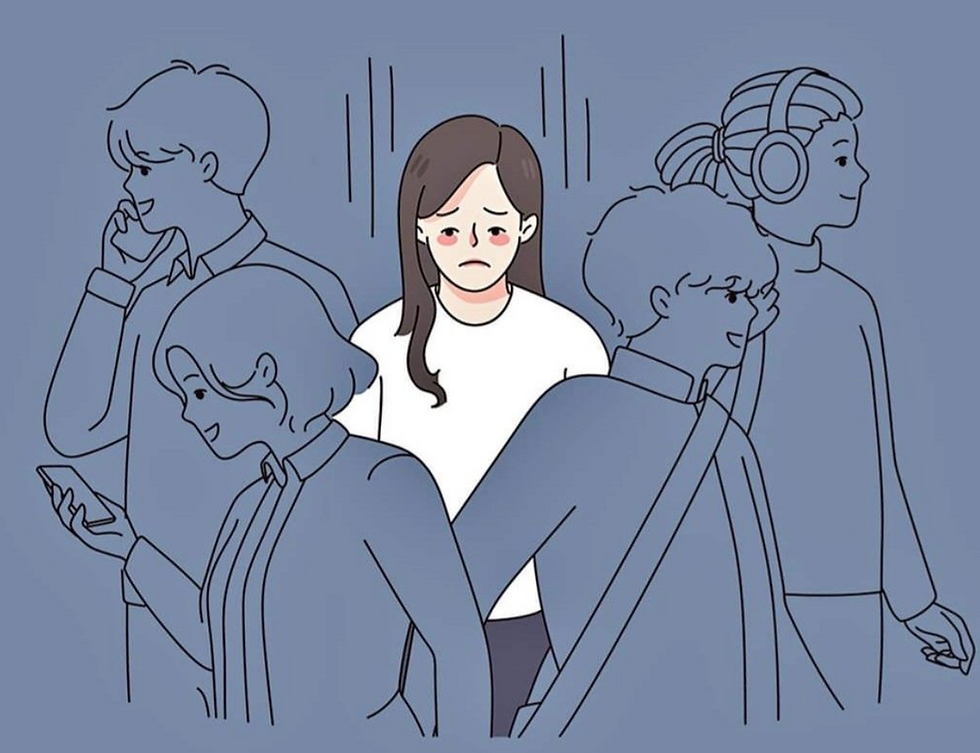
Fear may also focus on the social implications of chronic pain, including the stigma associated with "chronicity" and the perception of being seen as "chronically ill" (De Ruddere & Craig, 2016). Patients may fear social exclusion, loss of autonomy, and the impact on meaningful relationships. This dimension of fear contributes to the social isolation that often characterizes chronic pain.
Anxiety and Depression in Chronic Pain
The comorbidity between chronic pain and anxiety disorders is well documented, with prevalence rates ranging from 20% to 40% depending on the population studied (McWilliams et al., 2003). Anxiety in chronic pain frequently manifests as hypervigilance to bodily symptoms, with constant and anxious monitoring of painful sensations and their variations. This perpetual state of alertness can amplify the perception of pain through attentional and anticipatory mechanisms (Eccleston & Crombez, 1999).
Catastrophism, defined as the tendency to magnify the threatening value of pain, ruminate on it, and feel helpless in the face of it, represents a central construct in pain-related anxiety (Sullivan et al., 2001). Catastrophism is a robust predictor of poor outcomes in chronic pain, associated with increased pain intensity, greater disability, and poor response to treatments.
Depression is perhaps the most common psychiatric comorbidity in chronic pain, with prevalence estimates reaching 50% in some clinical populations (Bair et al., 2003). The relationship between pain and depression is bidirectional: chronic pain increases the risk of developing depression, and depression, in turn, amplifies pain perception and reduces the effectiveness of analgesic interventions (Bair et al., 2003). This mutual relationship creates a vicious circle that is particularly resistant to treatment.
Coping and Adaptation Strategies for Chronic Pain
Coping refers to the cognitive and behavioral efforts that individuals make to manage stressful situations that exceed perceived personal resources (Lazarus & Folkman, 1984). In the context of chronic pain, the coping strategies adopted by patients profoundly influence their psychological adjustment, the level of functional disability and overall quality of life (Jensen et al., 2011).
Coping strategies can be classified along several dimensions. A key distinction is between active coping and passive coping. Active coping includes strategies such as task-oriented problem-solving, seeking information and social support, engaging in enjoyable activities despite pain, and cognitive restructuring of painful situations (Keefe et al., 2004). These strategies are consistently associated with better outcomes in terms of physical functioning, psychological well-being, and quality of life.
In contrast, passive coping includes strategies such as catastrophism, avoidance, excessive rest, drug dependence, and wishful thinking (Jensen et al., 1995). These strategies are associated with greater disability, greater psychological distress, and worse quality of life. Catastrophism, in particular, repeatedly emerges as one of the most maladaptive coping strategies, predicting poor outcomes across multiple chronic pain conditions.
A related construct of growing interest is pain acceptance, defined as the willingness to experience pain without the need to control or avoid it, accompanied by engagement in meaningful activities despite pain (McCracken & Vowles, 2014). Acceptance does not imply passive resignation, but rather a realistic recognition of the limits of pain control and a redirection of energies toward valued life goals. Empirical studies show that pain acceptance mediates the relationship between pain intensity and disability, suggesting that patients with high levels of acceptance may maintain good functioning even with significant levels of pain (Vowles et al., 2007).
Self-efficacy, or belief in one's ability to successfully perform the behaviors necessary to produce certain outcomes, is another crucial construct in adapting to chronic pain (Bandura, 1997). Patients with high perceived self-efficacy with respect to pain management show better functional outcomes, less emotional distress, and greater adherence to rehabilitation programs (Nicholas, 2007). Interventions that enhance self-efficacy through gradual mastery experiences, vicarious modeling, and verbal persuasion may therefore be essential components of chronic pain management.
From the Healing Paradigm to the Healing Paradigm
Chronic pain management requires a fundamental shift in perspective: from the paradigm of "healing" (care), understood as the complete elimination of the disease and restoration of the previous state of health, to the paradigm of "care" (care), understood as the continuous accompaniment and support of a persistent condition (Cassell, 1991). This paradigmatic shift has profound implications for the therapeutic relationship, treatment goals, and patient and clinician expectations.
In the healing paradigm, typically applicable to acute conditions, the primary goal is the eradication of the underlying pathology. Success is measured by complete resolution of symptoms and return to full function. This approach, although appropriate for many medical conditions, is inadequate and potentially counterproductive in chronic pain, where complete pain elimination is often unrealistic (Main et al., 2010).
The treatment paradigm, on the other hand, recognizes chronic pain as a persistent condition that requires ongoing management rather than definitive resolution. Therapeutic goals shift from completely eliminating pain to improving functionality, quality of life, and psychological well-being, even in the presence of residual pain (Turk et al., 2011). This approach emphasizes the partnership between patient and caregiver, the promotion of self-management and empowerment, and attention to the person as a whole rather than just the symptomatic dimension.
Care, in this sense, involves active participation in the suffering of others and attention to the specific needs of the person (Pellegrino & Thomasma, 1988). It requires clinicians to develop not only technical but also relational and empathic skills, the ability to listen deeply and validate the patient's subjective experience. The concept of "person-centered care" (person-centered care) emerges as fundamental, underlining the importance of considering patient values, preferences, and life context in planning interventions (Mead & Bower, 2000).
This paradigm shift also requires patient education about the nature of chronic pain, helping them develop realistic expectations and redefine the concept of therapeutic "success." Psychoeducation about pain, which explains the neurobiological mechanisms of chronicity and deconstructs erroneous beliefs (such as the equation pain = tissue damage), has emerged as an essential component of effective interventions (Louw et al., 2011).
The Role of Psychology in the Integrated Management of Chronic Pain
Given the multidimensional nature of chronic pain, psychological interventions play a crucial role in the integrated management of this condition. Scientific literature supports the effectiveness of several psychotherapeutic approaches, with particular evidence for cognitive behavioral therapy (CBT), mindfulness-based therapy, and acceptance and commitment therapy (ACT) (Williams et al., 2012; Veehof et al., 2016).
CBT for chronic pain aims to identify and modify dysfunctional thoughts, emotions, and behaviors that perpetuate pain and disability (Ehde et al., 2014). Typical interventions include: cognitive restructuring of catastrophic beliefs and negative automatic thoughts; relaxation and stress management training; activity pacing to prevent cycles of overactivity and rest; gradual exposure to feared activities; and problem-solving to address practical challenges. Meta-analyses demonstrate that CBT produces significant reductions in pain intensity, emotional distress, and functional disability, with effects that are maintained over long-term follow-up (Williams et al., 2012).
Mindfulness-based interventions, such as Mindfulness-Based Stress Reduction (MBSR) and Mindfulness-Based Cognitive Therapy (MBCT), teach patients to cultivate mindful, nonjudgmental attention to present-moment experiences, including painful sensations (Kabat-Zinn, 1982). Rather than trying to eliminate or control pain, patients learn to change their relationship with it, reducing emotional reactivity and avoidance patterns (Zeidan et al., 2011). Randomized controlled studies show that mindfulness can reduce perceived pain intensity, improve quality of life, and decrease the use of analgesic medications.
ACT focuses on promoting psychological flexibility through processes of pain acceptance, cognitive defusion (distancing oneself from thoughts without necessarily changing), connection to the present moment, and committed action toward meaningful personal values (Hayes et al., 2006). This approach has shown effectiveness in reducing disability and improving psychological functioning in patients with chronic pain, particularly in those who show high levels of experiential avoidance (Vowles & McCracken, 2008).
Furthermore, it is important to underline the contribution that various psychotherapeutic approaches, other than the cognitive-behavioral approach, can offer.
In particular, psychoanalytic therapy can be an important tool for delving deeper and developing potential conflict nodes at the origin of symptoms; in fact, somatization can be configured as an attempt by the mind to resist, which would less painfully stage otherwise unbearable intrapsychic conflicts.
Psychoanalytic therapy therefore aims to raise awareness and make conflictual and/or traumatic emotional experiences narratable, thus allowing the patient to better manage the emotional sphere connected to pain.
Another approach concerns family therapy. It begins with the assumption that chronic pain and the resulting symptoms experienced by the patient not only have consequences for them, but also affect the entire family system, making it necessary to involve the entire family unit in the therapy. The focus of work with the family concerns communication between members and the aim is to allow the family to take out its resources and act on possible negative patterns that reinforce dysfunctional mechanisms (Panerai and Varrassi, 2004).
Finally, group therapy as an intervention aimed at restoring to the patient, through mutual support, sharing, encouragement and trust of the group, a more serene and conscious way of adapting to their state of health (Panerai and Varrassi, 2004).
In addition to individual psychotherapeutic approaches, multidisciplinary interventions that integrate psychological, physiotherapy, pharmacological, and occupational components represent the gold standard in the management of complex chronic pain (Kamper et al., 2015). Intensive multidisciplinary rehabilitation programs, involving teams of specialists working in a coordinated manner, have demonstrated superior effectiveness compared to uni-modal interventions in reducing disability and promoting return to work (Scascighini et al., 2008).
Conclusions and Future Directions
Chronic pain represents one of the most complex and prevalent clinical challenges in contemporary medicine. As highlighted in this review, understanding chronic pain requires an integrated approach that considers the neurobiological basis of chronicity, the psychological mechanisms modulating the pain experience, and the social factors that influence patient adjustment.
The processes of central sensitization and maladaptive neuroplasticity clarify how pain can persist independently of peripheral tissue damage, transforming the nervous system itself into a pain generator. This understanding has profound therapeutic implications, suggesting the need for interventions that aim to "reprogram" the central nervous system through pharmacological, physiotherapy, and psychological approaches that exploit mechanisms of adaptive neuroplasticity.
The psychological dimensions of chronic pain –emotions of anger, fear, anxiety, and depression, coping strategies adopted, beliefs, and expectations – are not simple "reactions" to pain but constitutive components of the painful experience itself. Recognizing this means understanding that psychological interventions are not optional "additions" to pain treatment, but essential elements of effective management.
The shift from the healing paradigm to the care paradigm reflects a maturation in the understanding of chronic pain as a condition that requires longitudinal management rather than definitive solution. This shift in perspective has the potential to alleviate distress caused by unrealistic expectations and to guide patients and clinicians toward more achievable and meaningful goals: not the complete elimination of pain, but the recovery of quality of life, functioning, and a sense of agency.
Looking ahead, several research directions appear promising. Identifying biomarkers that can predict who is at risk of developing chronic pain would enable targeted preventive interventions. The development of personalized interventions based on individual profiles of biological, psychological, and social mechanisms could improve the effectiveness of treatments. The integration of digital technologies, such as smartphone apps and telemedicine platforms, could increase the accessibility and scalability of evidence-based psychological interventions.
In conclusion, chronic pain requires a holistic, compassionate, and scientifically informed approach that honors the complexity of the human experience of pain. Only through multidisciplinary collaboration, the integration of biological and psychosocial perspectives, and the centrality of the therapeutic relationship can we hope to effectively alleviate the suffering of millions of people living with persistent pain.
Bibliographic References
Agüera-Ortiz, L., Failde, I., Mico, J. A., Cervilla, J., & López-Ibor, J. J. (2011). Pain as a symptom of depression: Prevalence and clinical correlates in patients attending psychiatric clinics. Journal of Affective Disorders, 130(1-2), 106-112.
Apkarian, A. V., Bushnell, M. C., Treede, R. D., & Zubieta, J. K. (2005). Human brain mechanisms of pain perception and regulation in health and disease. European Journal of Pain, 9(4), 463-484.
Apkarian, A. V., Sosa, Y., Sonty, S., Levy, R. M., Harden, R. N., Parrish, T. B., & Gitelman, D. R. (2004). Chronic back pain is associated with decreased prefrontal and thalamic gray matter density. Journal of Neuroscience, 24(46), 10410-10415.
Apkarian, A. V., Baliki, M. N., & Geha, P. Y. (2011). Towards a theory of chronic pain. Progress in Neurobiology, 87(2), 81-97.
Bair, M. J., Robinson, R. L., Katon, W., & Kroenke, K. (2003). Depression and pain comorbidity: A literature review. Archives of Internal Medicine, 163(20), 2433-2445.
Baliki, M. N., Petre, B., Torbey, S., Herrmann, K. M., Huang, L., Schnitzer, T. J., Fields, H. L., & Apkarian, A. V. (2012). Corticostriatal functional connectivity predicts transition to chronic back pain. Nature Neuroscience, 15(8), 1117-1119.
Bandura, A. (1997). Self-efficacy: The exercise of control. W. H. Freeman.
Basbaum, A. I., Bautista, D. M., Scherrer, G., & Julius, D. (2009). Cellular and molecular mechanisms of pain. Cell, 139(2), 267-284.
Bonezzi, C., Demartini, L., & Buonocore, M. (2020). Chronic pain in Italy: Results from the Pain in Europe survey. Minerva Anestesiologica, 86(7), 729-734.
Breivik, H., Collett, B., Ventafridda, V., Cohen, R., & Gallacher, D. (2006). Survey of chronic pain in Europe: Prevalence, impact on daily life, and treatment. European Journal of Pain, 10(4), 287-333.
Bruehl, S., Chung, O. Y., & Burns, J. W. (2002). Anger expression and pain: An overview of findings and possible mechanisms. Journal of Behavioral Medicine, 25(2), 175-193.
Burns, J. W., Bruehl, S., & Quartana, P. J. (2015). Anger management style and hostility among patients with chronic pain: Effects on symptom-specific physiological reactivity during anger- and sadness-recall interviews. Psychosomatic Medicine, 77(4), 388-399.
Cassell, E. J. (1991). The nature of suffering and the goals of medicine. Oxford University Press.
De Ruddere, L., & Craig, K. D. (2016). Understanding stigma and chronic pain: A state-of-the-art review. Pain, 157(8), 1607-1610.
Dubin, A. E., & Patapoutian, A. (2010). Nociceptors: The sensors of the pain pathway. Journal of Clinical Investigation, 120(11), 3760-3772.
Eccleston, C., & Crombez, G. (1999). Pain demands attention: A cognitive-affective model of the interruptive function of pain. Psychological Bulletin, 125(3), 356-366.
Edwards, R. R., Dworkin, R. H., Sullivan, M. D., Turk, D. C., & Wasan, A. D. (2016). The role of psychosocial processes in the development and maintenance of chronic pain. Journal of Pain, 17(9 Suppl), T70-T92.
Ehde, D. M., Dillworth, T. M., & Turner, J. A. (2014). Cognitive-behavioral therapy for individuals with chronic pain: Efficacy, innovations, and directions for research. American Psychologist, 69(2), 153-166.
Engel, G. L. (1977). The need for a new medical model: A challenge for biomedicine. Science, 196(4286), 129-136.
Flor, H., Nikolajsen, L., & Staehelin Jensen, T. (2006). Phantom limb pain: A case of maladaptive CNS plasticity? Nature Reviews Neuroscience, 7(11), 873-881.
Gatchel, R. J., Peng, Y. B., Peters, M. L., Fuchs, P. N., & Turk, D. C. (2007). The biopsychosocial approach to chronic pain: Scientific advances and future directions. Psychological Bulletin, 133(4), 581-624.
Goldberg, D. S., & McGee, S. J. (2011). Pain as a global public health priority. BMC Public Health, 11, 770.
Greenwood, K. A., Thurston, R., Rumble, M., Waters, S. J., & Keefe, F. J. (2003). Anger and persistent pain: Current status and future directions. Pain, 103(1-2), 1-5.
Hayes, S. C., Luoma, J. B., Bond, F. W., Masuda, A., & Lillis, J. (2006). Acceptance and commitment therapy: Model, processes and outcomes. Behaviour Research and Therapy, 44(1), 1-25.
Jensen, M. P., Romano, J. M., Turner, J. A., Good, A. B., & Wald, L. H. (1995). Patient beliefs predict patient functioning: Further support for a cognitive-behavioural model of chronic pain. Pain, 81(1-2), 95-104.
Jensen, M. P., Turner, J. A., Romano, J. M., & Karoly, P. (2011). Coping with chronic pain: A critical review of the literature. Pain, 47(3), 249-283.
Kabat-Zinn, J. (1982). An outpatient program in behavioral medicine for chronic pain patients based on the practice of mindfulness meditation: Theoretical considerations and preliminary results. General Hospital Psychiatry, 4(1), 33-47.
Kamper, S. J., Apeldoorn, A. T., Chiarotto, A., Smeets, R. J., Ostelo, R. W., Guzman, J., & van Tulder, M. W. (2015). Multidisciplinary biopsychosocial rehabilitation for chronic low back pain: Cochrane systematic review and meta-analysis. BMJ, 350, h444.
Keefe, F. J., Rumble, M. E., Scipio, C. D., Giordano, L. A., & Perri, L. M. (2004). Psychological aspects of persistent pain: Current state of the science. Journal of Pain, 5(4), 195-211.
Latremoliere, A., & Woolf, C. J. (2009). Central sensitization: A generator of pain hypersensitivity by central neural plasticity. Journal of Pain, 10(9), 895-926.
Lazarus, R. S., & Folkman, S. (1984). Stress, appraisal, and coping. Springer.
Louw, A., Diener, I., Butler, D. S., & Puentedura, E. J. (2011). The effect of neuroscience education on pain, disability, anxiety, and stress in chronic musculoskeletal pain. Archives of Physical Medicine and Rehabilitation, 92(12), 2041-2056.
Main, C. J., Sullivan, M. J., & Watson, P. J. (2010). Pain management: Practical applications of the biopsychosocial perspective in clinical and occupational settings (2nd ed.). Churchill Livingstone.
McCracken, L. M., & Vowles, K. E. (2014). Acceptance and commitment therapy and mindfulness for chronic pain: Model, process, and progress. American Psychologist, 69(2), 178-187.
McWilliams, L. A., Cox, B. J., & Enns, M. W. (2003). Mood and anxiety disorders associated with chronic pain: An examination in a nationally representative sample. Pain, 106(1-2), 127-133.
Mead, N., & Bower, P. (2000). Patient-centredness: A conceptual framework and review of the empirical literature. Social Science & Medicine, 51(7), 1087-1110.
Melzack, R., & Wall, P. D. (1965). Pain mechanisms: A new theory. Science, 150(3699), 971-979.
Nicholas, M. K. (2007). The pain self-efficacy questionnaire: Taking pain into account. European Journal of Pain, 11(2), 153-163.
Nijs, J., Meeus, M., Versijpt, J., Moens, M., Bos, I., Knaepen, K., & Meeusen, R. (2015). Brain-derived neurotrophic factor as a driving force behind neuroplasticity in neuropathic and central sensitization pain: A new therapeutic target? Expert Opinion on Therapeutic Targets, 19(4), 565-576.
Panerai, A., & Varrassi, G. (2004). Terapia del dolore. Pavia
Pellegrino, E. D., & Thomasma, D. C. (1988). For the patient's good: The restoration of beneficence in health care. Oxford University Press.
Raja, S. N., Carr, D. B., Cohen, M., Finnerup, N. B., Flor, H., Gibson, S., Keefe, F. J., Mogil, J. S., Ringkamp, M., Sluka, K. A., Song, X. J., Stevens, B., Sullivan, M. D., Tutelman, P. R., Ushida, T., & Vader, K. (2020). The revised International Association for the Study of Pain definition of pain: Concepts, challenges, and compromises. Pain, 161(9), 1976-1982.
Rodriguez-Raecke, R., Niemeier, A., Ihle, K., Ruether, W., & May, A. (2009). Brain gray matter decrease in chronic pain is the consequence and not the cause of pain. Journal of Neuroscience, 29(44), 13746-13750.
Scascighini, L., Toma, V., Dober-Spielmann, S., & Sprott, H. (2008). Multidisciplinary treatment for chronic pain: A systematic review of interventions and outcomes. Rheumatology, 47(5), 670-678.
Scott, W., Trost, Z., Bernier, E., & Sullivan, M. J. (2013). Anger differentially mediates the relationship between perceived injustice and chronic pain outcomes. Pain, 154(9), 1691-1698.
Sullivan, M. J., Thorn, B., Haythornthwaite, J. A., Keefe, F., Martin, M., Bradley, L. A., & Lefebvre, J. C. (2001). Theoretical perspectives on the relation between catastrophizing and pain. Clinical Journal of Pain, 17(1), 52-64.
Tracey, I., & Mantyh, P. W. (2007). The cerebral signature for pain perception and its modulation. Neuron, 55(3), 377-391.
Treede, R. D., Rief, W., Barke, A., Aziz, Q., Bennett, M. I., Benoliel, R., Cohen, M., Evers, S., Finnerup, N. B., First, M. B., Giamberardino, M. A., Kaasa, S., Kosek, E., Lavand'homme, P., Nicholas, M., Perrot, S., Scholz, J., Schug, S., Smith, B. H., ... Wang, S. J. (2019). Chronic pain as a symptom or a disease: The IASP classification of chronic pain for the International Classification of Diseases (ICD-11). Pain, 160(1), 19-27.
Turk, D. C., & Okifuji, A. (2002). Psychological factors in chronic pain: Evolution and revolution. Journal of Consulting and Clinical Psychology, 70(3), 678-690.
Turk, D. C., Wilson, H. D., & Cahana, A. (2011). Treatment of chronic non-cancer pain. Lancet, 377(9784), 2226-2235.
Veehof, M. M., Trompetter, H. R., Bohlmeijer, E. T., & Schreurs, K. M. (2016). Acceptance- and mindfulness-based interventions for the treatment of chronic pain: A meta-analytic review. Cognitive Behaviour Therapy, 45(1), 5-31.
Vlaeyen, J. W., & Linton, S. J. (2000). Fear-avoidance and its consequences in chronic musculoskeletal pain: A state of the art. Pain, 85(3), 317-332.
Vowles, K. E., & McCracken, L. M. (2008). Acceptance and values-based action in chronic pain: A study of treatment effectiveness and process. Journal of Consulting and Clinical Psychology, 76(3), 397-407.
Vowles, K. E., McCracken, L. M., & Eccleston, C. (2007). Processes of change in treatment for chronic pain: The contributions of pain, acceptance, and catastrophizing. European Journal of Pain, 11(7), 779-787.
Wager, T. D., Rilling, J. K., Smith, E. E., Sokolik, A., Casey, K. L., Davidson, R. J., Kosslyn, S. M., Rose, R. M., & Cohen, J. D. (2004). Placebo-induced changes in fMRI in the anticipation and experience of pain. Science, 303(5661), 1162-1167.
Williams, A. C., Eccleston, C., & Morley, S. (2012). Psychological therapies for the management of chronic pain (excluding headache) in adults. Cochrane Database of Systematic Reviews, 11, CD007407.
Woolf, C. J. (2011). Central sensitization: Implications for the diagnosis and treatment of pain. Pain, 152(3 Suppl), S2-S15.
Woolf, C. J., & Ma, Q. (2007). Nociceptors—noxious stimulus detectors. Neuron, 55(3), 353-364.
Zeidan, F., Martucci, K. T., Kraft, R. A., Gordon, N. S., McHaffie, J. G., & Coghill, R. C. (2011). Brain mechanisms supporting the modulation of pain by mindfulness meditation. Journal of Neuroscience, 31(14), 5540-5548.


Comments